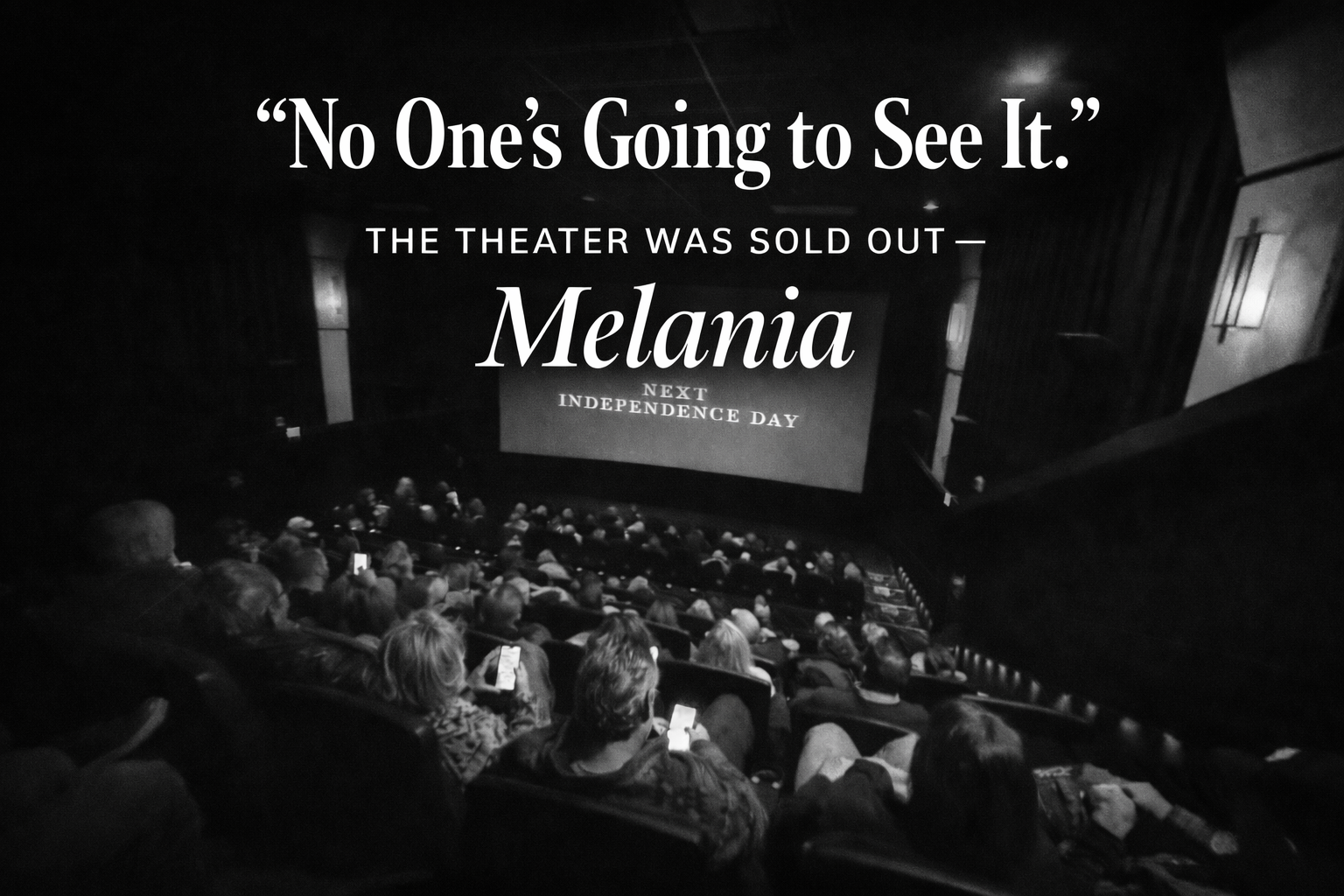
“No One’s Going to See It.” The Theater Was Sold Out — My Take on Melania
They said no one would go. I bought tickets to the first showing, and the theater was sold out. Here’s my honest take on Melania, from the cinematic opening to the ride to the White House.
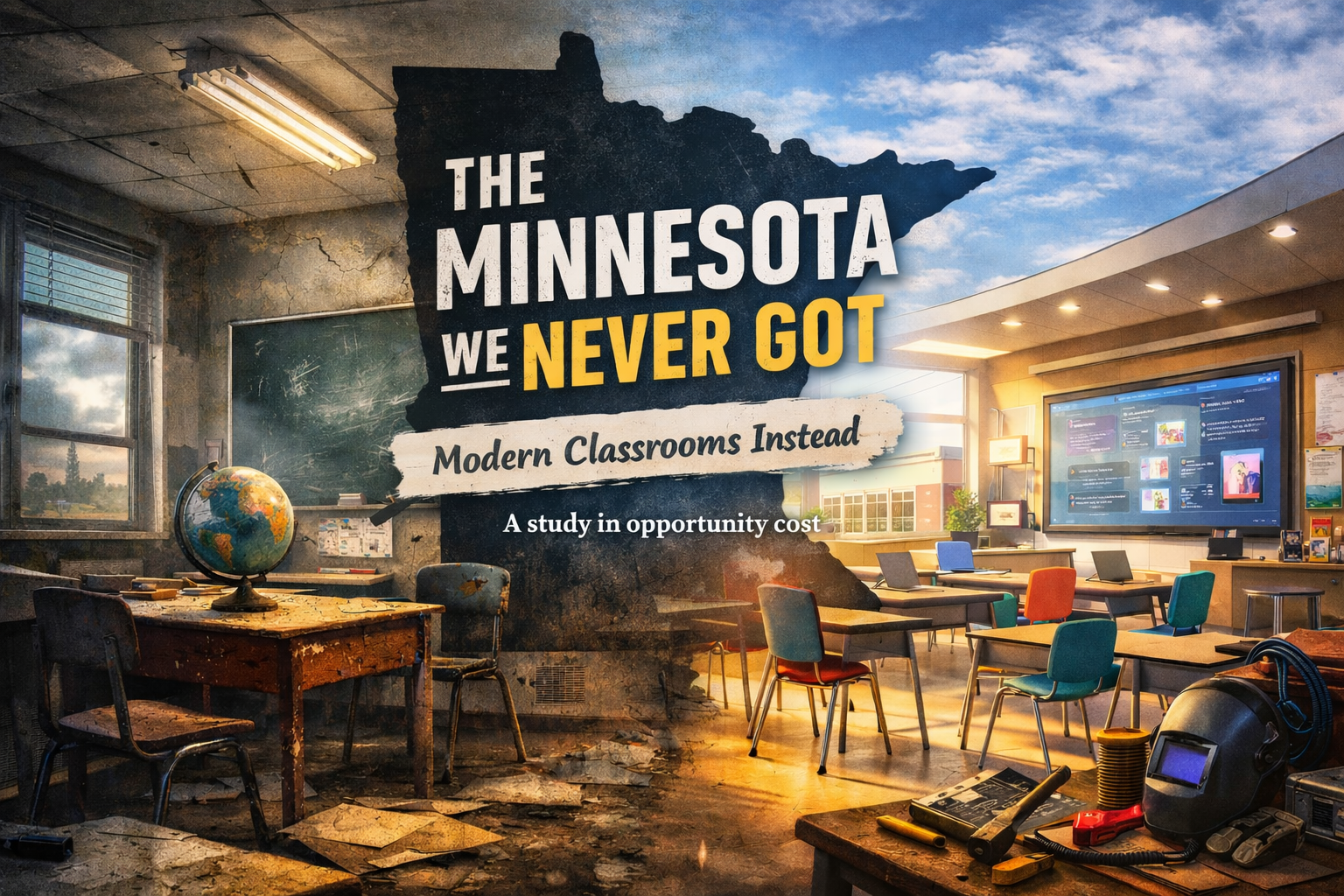
THE MINNESOTA WE NEVER GOT: Modern Classrooms Instead
What could Minnesota have built if hundreds of millions in public funds hadn’t been lost to fraud?
This piece examines the opportunity cost behind aging classrooms, teacher shortages, and outdated learning environments, and what a better-managed system could have delivered instead.
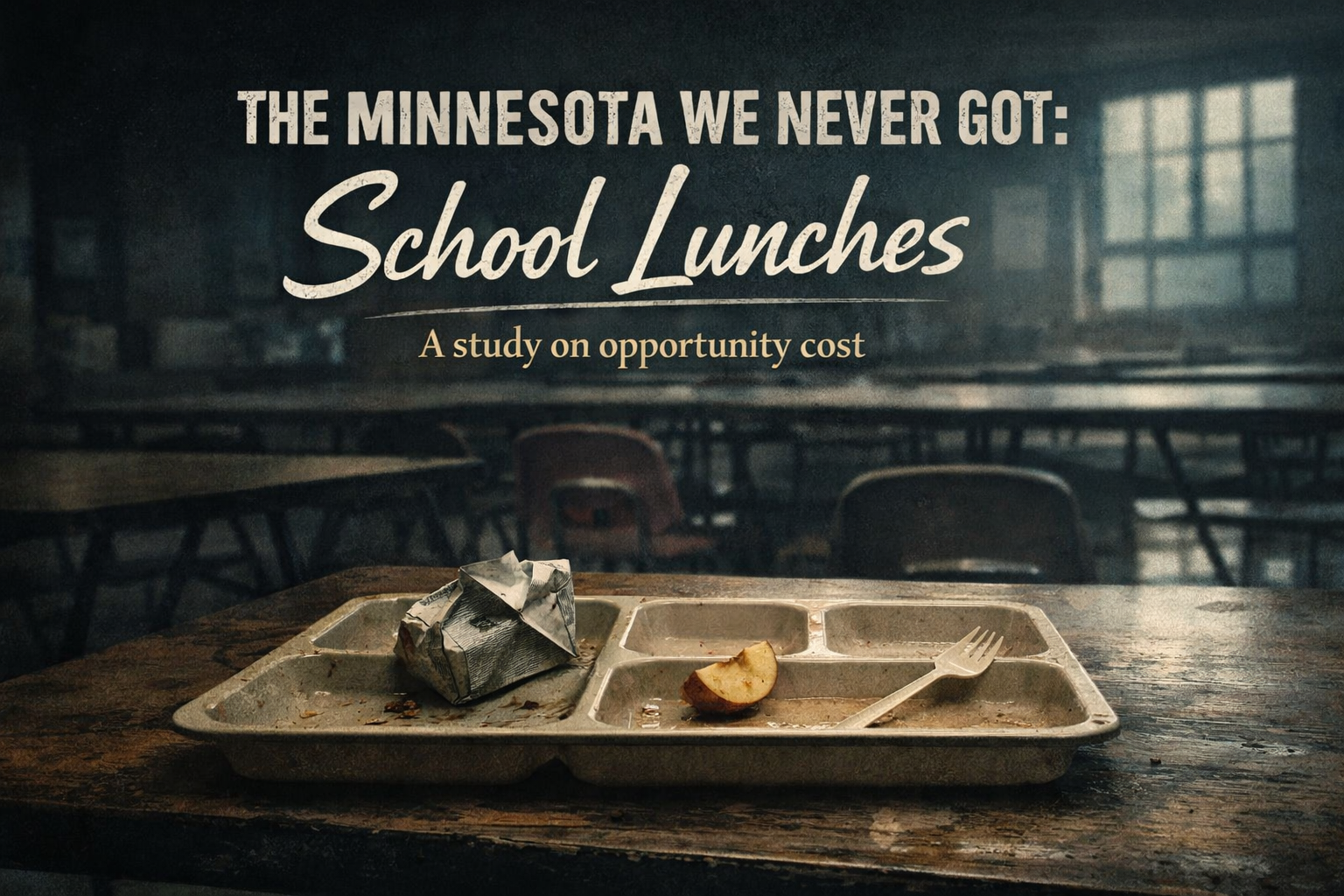
THE MINNESOTA WE NEVER GOT: School Lunches
During the pandemic, a program meant to feed hungry children was looted of $250 million. That stolen money could have served nearly 50 million school lunches across Minnesota. This is the story of the meals, and the futures, the state never got.
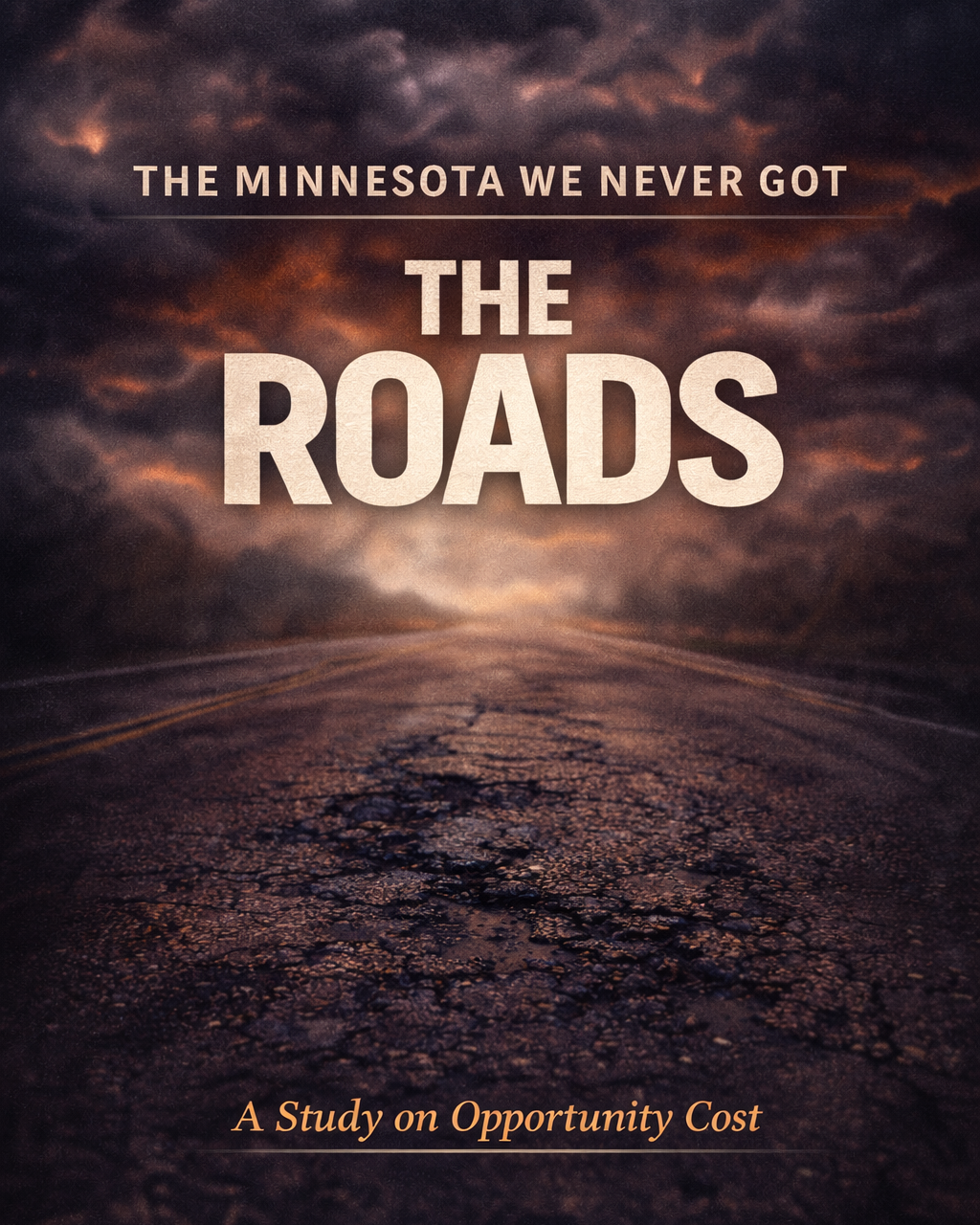
The Minnesota We Never Got: The Roads
The Minnesota We Never Got: The Roads is the first entry in a new series examining the invisible opportunity costs shaping the state. Beneath every pothole and cracked highway lies a quieter story about deferred investment, political tradeoffs, and the future we quietly accepted instead of the one we could have built.
Engineered Chaos Without a Conspiracy
These conflicts are meant to be settled in courts, not in the street. When political actors encourage resistance before legal questions are resolved, ordinary residents inherit the risk.
Who Gets to Be Seen
My hope is simple. That we learn to care about harm regardless of who it benefits politically. That we hold space for every victim, not just the ones whose stories travel well online. And that somewhere in Georgia, a little girl and her family find healing in a world that, for now, seems far too quiet.
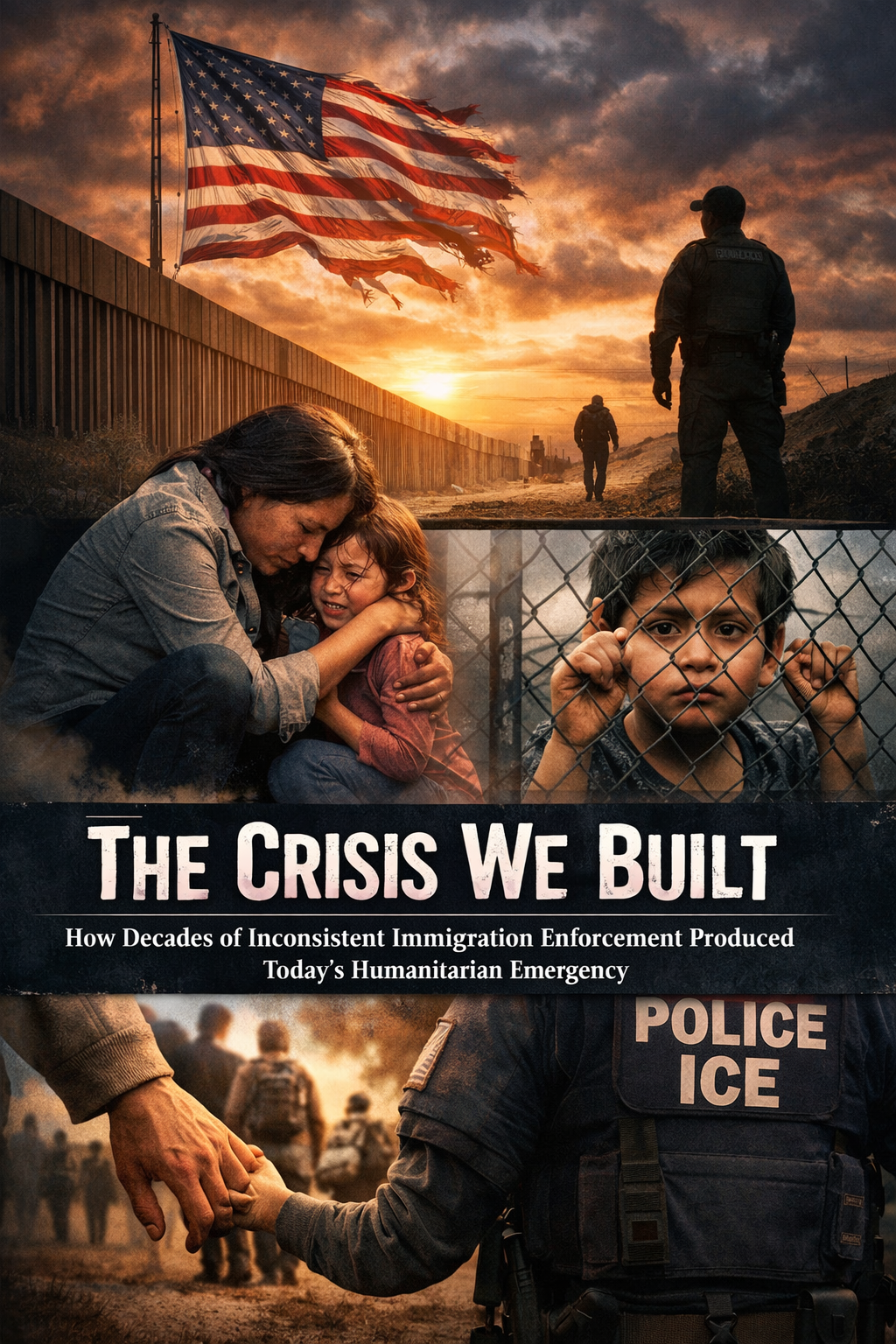
False hope, it turns out, is the cruelest policy of all.
We built this crisis slowly, quietly, and collectively. For years, America allowed people to enter and remain without timely legal resolution, planting roots in lives the system had no intention of protecting or removing with honesty. Families grew in legal limbo, communities formed on borrowed time, and hope was sold without structure. Now enforcement has returned, and we act shocked by the suffering that follows. But this is not the cruelty of enforcement. It is the cruelty of a nation that refused to decide.
The Internet Taught Us to Hate. Now It’s Teaching Us to Kill.
The internet once taught us to argue. Then it taught us to hate. Now, in corners that grow larger every day, it is teaching people to justify violence against their own countrymen. This piece traces how online political discourse evolved from hostile words to open calls for blood, and why the only path forward is cultural restraint, not retaliation.
The Rebuttal: When Protecting Feelings Risks Protecting Futures
Protecting children means protecting their futures — but it must also mean protecting their lives. This response explores why many believe gender-affirming care for youth is not about rushing decisions, but about reducing real and immediate suffering.
When Protecting Feelings Risks Protecting Futures
What happens when compassion moves faster than caution? As pediatric gender medicine expands, a new ethical question emerges: can children truly consent to irreversible medical decisions that shape their future bodies and lives? This post explores why protecting kids and supporting identity are not opposing values.

REBUTTAL: AI Alone Won’t Save Journalism — But It Can Help Us Challenge It
his rebuttal isn’t about changing my mind — it’s about sharpening it. I’m using AI not to reinforce my original views, but to challenge them, test their limits, and uncover new solutions. In a world drowning in certainty and tribalism, we need more public thinking that invites contradiction. This is what open-mindedness looks like in the age of AI.

REBUTTAL: New York’s $6.9 Billion Crisis — Not a Betrayal, But a Symptom of Systemic Failure
In March, I published a piece titled “Billions for Non-Citizens, Nothing for You: NYC's $6.9 Billion Betrayal,” expressing deep frustration with New York City’s migrant spending. While that anger hasn’t faded, I’ve taken a step back — and this is my rebuttal to myself. The issue runs deeper than outrage. What I once framed as betrayal is more accurately the result of systemic failure, federal inaction, and misaligned priorities. This essay digs into the root causes, challenges my original assumptions, and proposes real solutions grounded in conservative values, fiscal responsibility, and functional compassion. If we want our city back, slogans won’t cut it. Reform will.

How AI Levels the Playing Field — And What Congress NEEDs to do About It
AI isn’t just changing the tech world — it’s changing who gets a shot at success. With nothing more than a WiFi connection, everyday Americans can now access tools that used to be reserved for the elite. But without bold legislation, that access could vanish just as quickly. This post breaks down how AI empowers the underdog — and why Congress must act now to keep the playing field level.

You're On Your Own, Kid — And So Was I
Inspired by Taylor Swift’s “You’re On Your Own, Kid,” this personal essay explores what it means to grow up between identities, chase validation, and ultimately find strength in standing alone. From Upstate New York roots to New York City reinvention, I reflect on love, loss, career, and voice — and how everything I thought I needed was already within me.

You Didn’t Write That. ChatGPT Did. Own It.
Let’s be real: AI isn’t some fringe tool anymore. It’s not just for tech bros, coders, or sci-fi nerds. It’s in your inbox, your group chat, your social feed. It’s quietly writing blog posts, captions, emails, job applications — and yes, probably half the tweets claiming it’s “ruining writing.”

The Last Hope for American Journalism: How AI Must Be Used to Save News from Bias and Collapse
As trust in American media collapses, artificial intelligence offers a rare chance to rebuild journalism based on transparency, truth, and critical thinking. Discover how AI — if used correctly — could eliminate bias from news coverage and restore public trust.

The Perfect Storm: How America Created a Student Debt Crisis
College used to be a public investment. Today, it's a personal financial gamble. In this personal story + research-backed deep dive, I explore how government, universities, banks, and culture created America's $1.8 trillion student debt crisis — and what it will take to fix it.

The Left's Illusion of Oppression: How America's Privilege Blinds Us to True Suffering
This essay does not seek to minimize the challenges faced by marginalized communities in the U.S., but rather to provide a global perspective that demonstrates how out of touch some of the left’s claims of oppression have become.

Storms Hit. Fires Raged. Washington Cut the Check—But Not for Us.
Now we see it clearly: the money is already there. The only thing missing is the will to act.

$7 Billion Spent. No Plan. No Progress. It Didn’t Have to Be This Way.
We only need the courage to admit that the real solution is not walls or open borders. It is something higher, harder, and more human.
It is a New Ellis Island.
And it is time we built it.