Who Gets to Be Seen
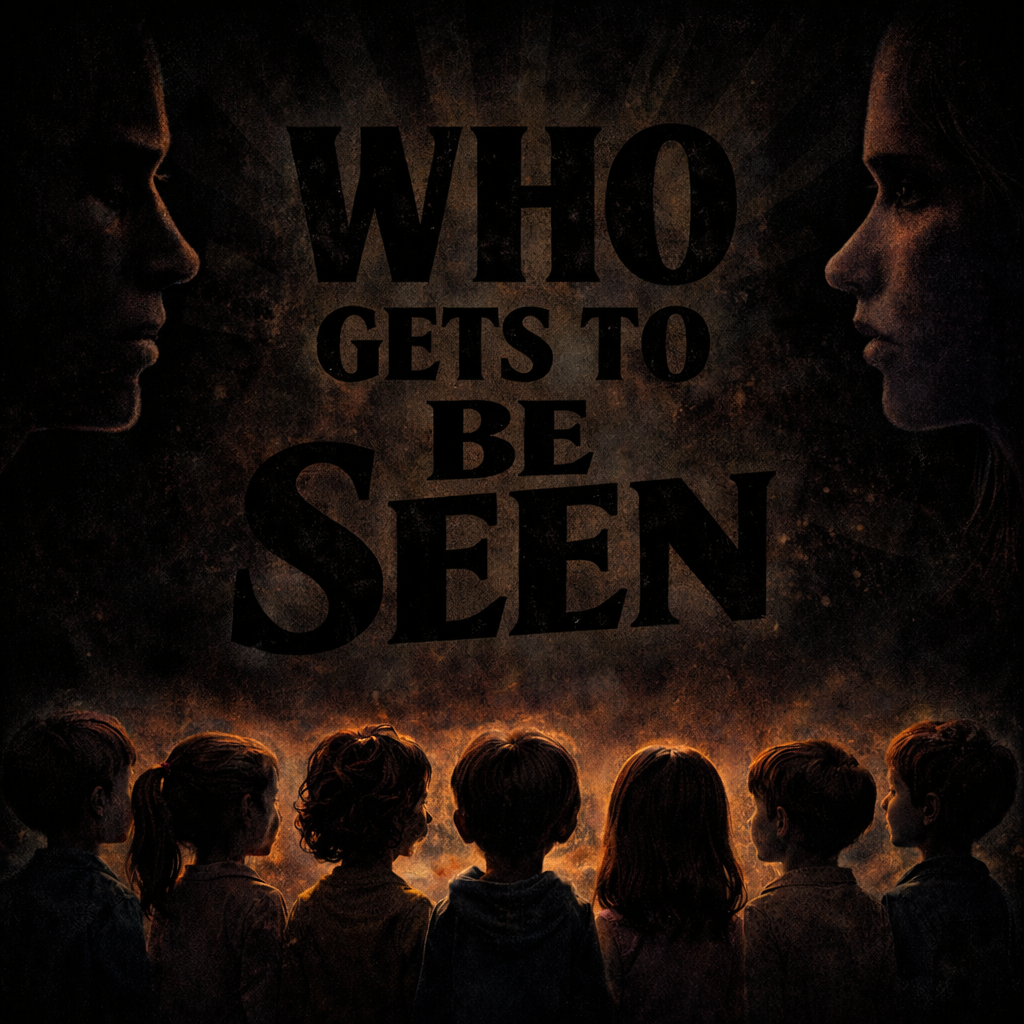
This month, one photograph of a five-year-old boy filled my social feeds. National outlets ran continuous coverage. Public figures posted statements. Comment sections ignited. The country decided, collectively and loudly, that this child’s suffering would not be ignored.
In the same week, another child’s story unfolded in Bulloch County, Georgia.
According to the Bulloch County Sheriff’s Office, on January 12, 2026, an eleven-year-old girl was attacked during a nighttime home invasion. A suspect was arrested days later. His name is Kenneth Moreno Guzman, age 26. Prosecutors filed multiple felony charges, including rape, aggravated child molestation, aggravated sodomy, home invasion, and burglary. He is being held without bond as the case proceeds through Georgia’s courts.
Law enforcement also confirmed another detail during a public press briefing. After his arrest, U.S. Immigration and Customs Enforcement conducted an intake interview. ICE determined that Guzman entered the United States illegally from Mexico approximately five years ago. ICE then issued an immigration detainer, requiring federal authorities be notified before any potential release from local custody.
These facts come directly from sheriff’s investigators and local reporting. They are not speculation. They are part of the public record. And yet, outside southern Georgia, almost no one heard this story.
No national news cycle.
No trending hashtags.
No celebrity reposts.
No viral outrage.
One harmed child became a national symbol. Another remained a local headline.
I am not comparing pain. Harm is harm. Every child deserves protection. Every family deserves justice. But attention matters. Attention is how a society signals what it values. And right now, our attention is not evenly distributed.
Modern media runs on narrative gravity. Stories that fit familiar political frames accelerate instantly. Stories that complicate those frames move slowly or disappear altogether. This is not a theory. It is how digital information ecosystems function.
In this case, the suspect’s immigration status is a confirmed part of the official record. That fact does not determine guilt. Courts do that. But it does place the story inside a politically charged space where coverage becomes cautious, selective, or fragmented. And when coverage fragments, victims become invisible.
The eleven-year-old girl at the center of this case will not trend. Her name will remain private. She will carry the consequences long after the news cycle moves on. She deserved safety. She deserved attention. She deserved a world that cared just as loudly.
If we say we care about protecting children, then consistency matters. Not only when a story reinforces our worldview. Not only when it benefits our political narrative. Not only when it generates engagement.
Every victim deserves visibility.
Every child deserves equal outrage.
Every community deserves accountability.
Anything less is not justice.
It is selective empathy.
And selective empathy is where moral credibility begins to break.
My hope is simple. That we learn to care about harm regardless of who it benefits politically. That we hold space for every victim, not just the ones whose stories travel well online. And that somewhere in Georgia, a little girl and her family find healing in a world that, for now, seems far too quiet.
